
By: Meredith Kinsey
COO | Digital Site Box
Sustainability has become an essential topic in construction. Renewable energy technologies, eco-friendly materials, green roofs, low-impact designs, and nature-based solutions are now standard practices in many projects. Programs like LEED and the WELL Building Standard have helped move the industry forward, and this progress matters.
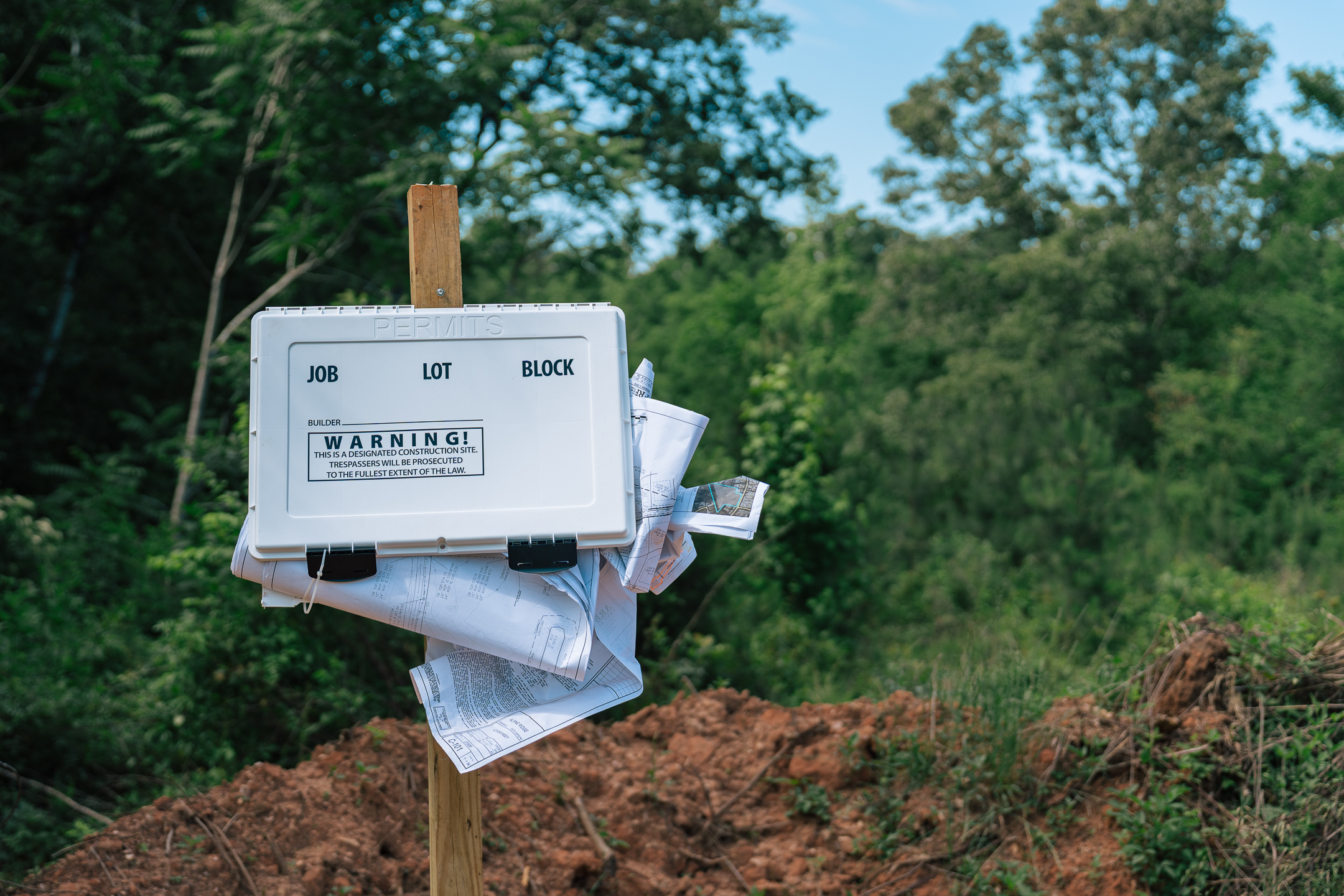
While we emphasize building sustainably, we still depend heavily on paper to manage projects day-to-day. This includes printed plans, permits, inspection logs, stormwater documentation, and daily reports. We often end up reprinting documents multiple times because the original version got wet, outdated, or misplaced – all in a plastic box, no less. For an industry actively pursuing sustainability, the amount of paper used and wasted on job sites feels a little ironic.
Paper waste on construction sites is not sustainable. It consumes resources, requires constant reprinting, and often ends up damaged by weather or thrown away before a project is complete. When multiplied across multiple sites and long project timelines, the impact can add up.
It seems that sustainability conversations focus on how and what we are building but not always on how we manage the work while building it. Materials, energy efficiency, and design all matter for sure. But so do the processes that support them.
We imagine a job site with no paper. All permits, SWPPPs, plans, inspections, and logs are accessible from anywhere. No digging through binders or plastic boxes. No throwing away outdated plans. No reprinting the same document multiple times because it was damaged or out of date. A digital permit box vs plastic permit box approach where information is always current, protected, and easy to access for everyone who needs it.
That shift is exactly what platforms like Digital Site Box, a cloud-based onsite construction documentation management solution, are designed to support. By replacing paper-heavy processes with a digital permit box, teams can reduce waste, improve access to information, and align daily operations with the same sustainability goals driving green building.
The Bottom Line
If the industry is serious about building greener, sustainability should extend beyond the structure itself. It should show up on the job site, in the processes, and in how information is managed before the dirt even moves.